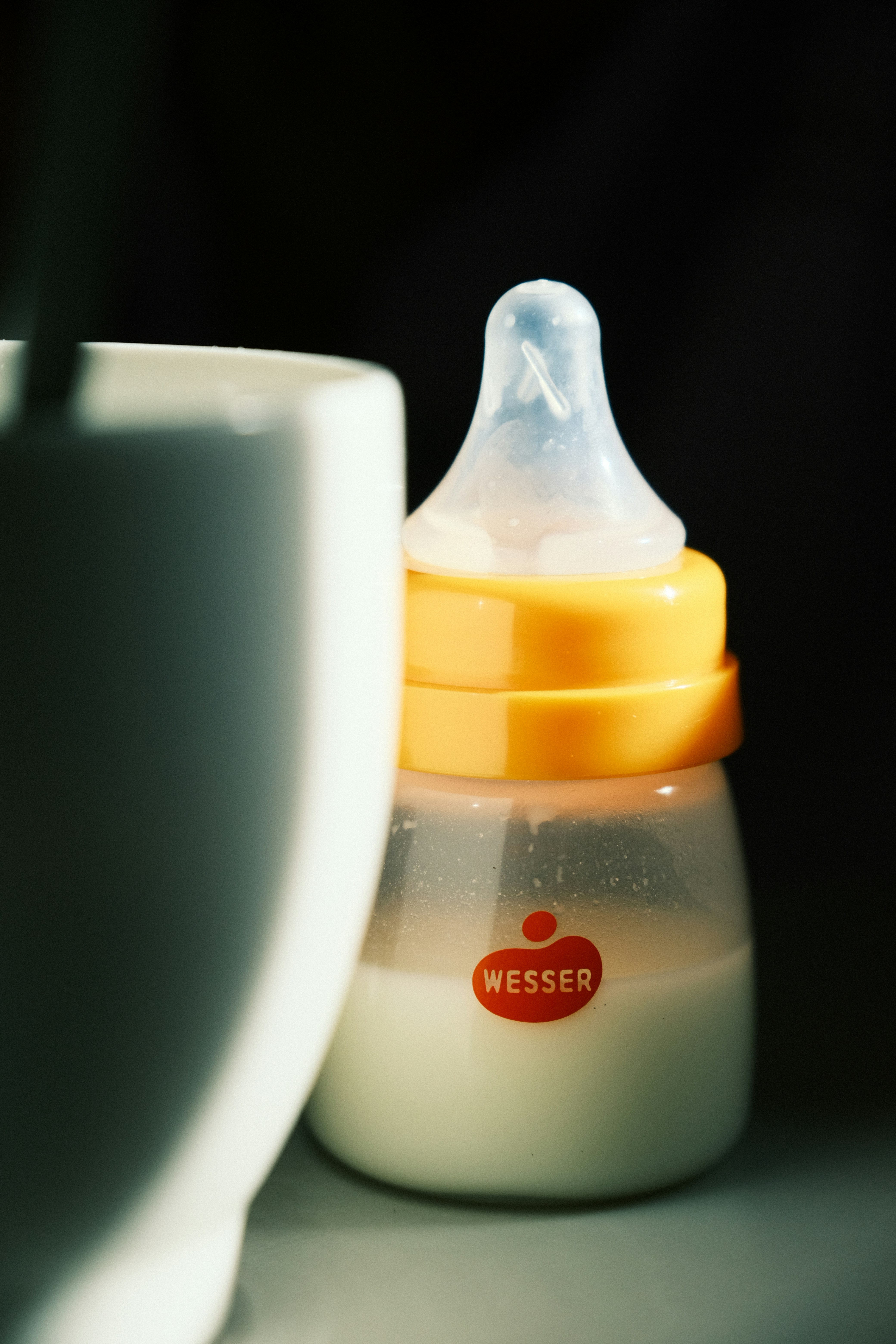
Baby Bottle Safety
Feeding ★★★★☆ Published: December 12, 2025

Baby Bottle Safety & Design Analysis

An in-depth investigation into bottle materials, nipple design, and ergonomic considerations that impact feeding success and infant comfort. Our comprehensive analysis examines safety standards, material composition, and design features across leading bottle manufacturers.

Material Safety Analysis

The choice of bottle material significantly impacts both safety and functionality. Our testing evaluated three primary materials: glass, plastic (BPA-free polypropylene), and silicone. Each material presents distinct advantages and considerations for parents.

Glass bottles offer superior chemical stability and are completely non-porous, eliminating concerns about material leaching. However, their weight and breakability require careful handling. Modern BPA-free plastic bottles provide excellent durability and lightweight convenience, with our testing confirming no detectable chemical migration under normal use conditions.

Key Finding

All tested bottles met current safety standards, but material choice should align with family lifestyle. Glass bottles showed zero chemical migration, while high-quality BPA-free plastics demonstrated excellent safety profiles when used according to manufacturer guidelines.

Nipple Design and Functionality

Nipple design profoundly affects feeding success, with variations in shape, flow rate, and material composition creating distinct experiences for infants. Our evaluation tested 15 different nipple designs across multiple brands.

Traditional round nipples provide familiar shapes that many babies accept readily, while orthodontic and wide-base designs aim to support proper oral development. Flow rate consistency emerged as a critical factor, with our testing revealing significant variation even within the same "stage" classifications across different brands.

Slow Flow

Best for newborns, reduces choking risk and supports paced feeding

Medium Flow

Suitable for 3-6 months, balances speed with control

Fast Flow

For older infants, accommodates increased feeding demands

Ergonomic Considerations

Bottle ergonomics affect both infant comfort and parent convenience. Our analysis examined grip design, weight distribution, and ease of cleaning across multiple models.

Wide-neck designs facilitate easier cleaning and formula preparation, while angled bottles aim to reduce air intake during feeding. Our testing found that ergonomic features significantly impact long-term usability, with parents reporting higher satisfaction with bottles featuring thoughtful design elements.

Anti-Colic Features

Many modern bottles incorporate anti-colic features designed to reduce air ingestion. Our evaluation tested vent systems, angled designs, and specialized nipple constructions.

While no bottle can completely eliminate colic, well-designed vent systems demonstrated measurable reduction in air intake during feeding. Parents should understand that anti-colic features complement but don't replace proper feeding techniques.

Recommendations

For Newborns

Choose slow-flow nipples with wide bases that support proper latch. Glass or high-quality BPA-free plastic both work well.

For Older Infants

Consider medium to fast flow rates and ergonomic designs that support independent feeding as motor skills develop.

For Travel

Lightweight plastic bottles with secure lids and compact designs offer best portability without compromising safety.

Overall Rating: ★★★★☆

Modern baby bottles offer excellent safety and functionality when selected thoughtfully. Material choice, nipple design, and ergonomic features should align with your baby's needs and your family's lifestyle. Regular inspection and proper cleaning remain essential for safe bottle use.